
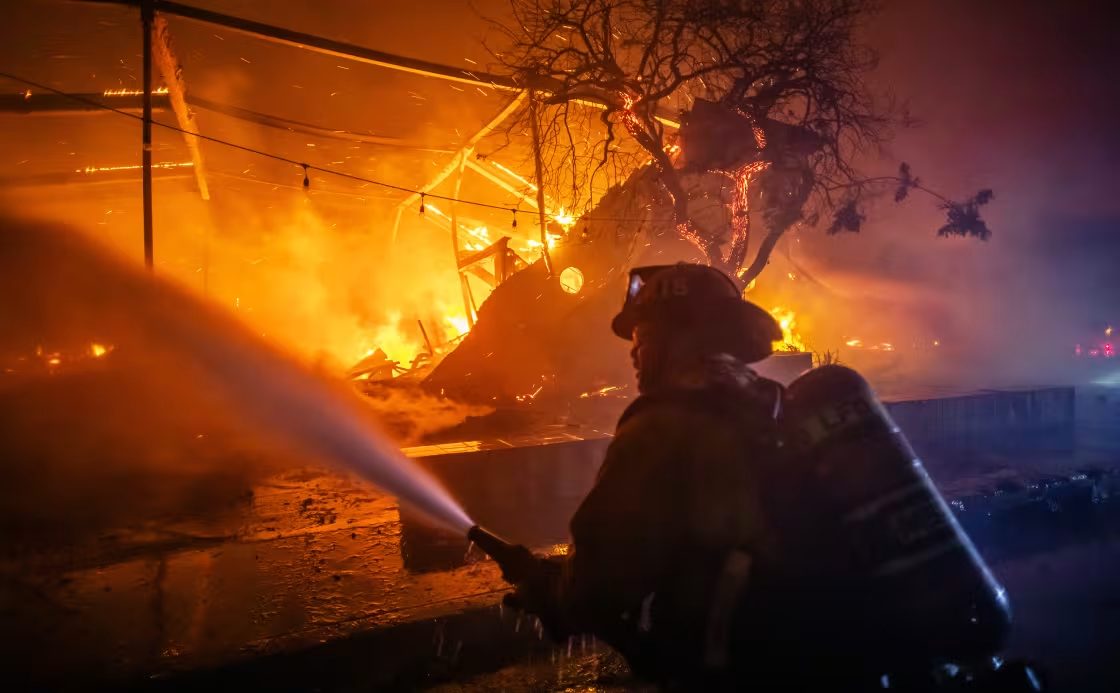
A small wildfire in Los Angeles’ upscale Pacific Palisades neighborhood escalated with alarming speed, underscoring the growing wildfire threat across Southern California. At around 10:30 a.m. on January 7, authorities received reports of a minor blaze burning along a ridge near Palisades Drive, the same area where firefighters had battled a fire on New Year’s Day.
Within minutes, the situation intensified. A towering plume of dark smoke became visible from miles away, signaling the fire’s rapid expansion. By shortly after 11 a.m., officials confirmed the blaze had grown to approximately 10 acres, spreading along the western edge of the coastal community.
Over the next two hours, the wildfire exploded in size. Flames tore through streets, destroying homes, while congested roads filled with residents attempting to flee. Emergency officials issued a mandatory evacuation order for Pacific Palisades, urging nearby neighborhoods to prepare for immediate evacuation as conditions deteriorated rapidly.
As firefighting crews concentrated efforts on the Palisades Fire, a second emergency unfolded elsewhere in Los Angeles County. Around 6:17 p.m., a new blaze—later named the Eaton Fire—ignited in Altadena, roughly 30 miles east. Strong winds forced the grounding of all firefighting aircraft, severely limiting containment efforts. By 8 p.m., the Eaton Fire had already doubled in size, compounding the wildfire crisis across the region.
The twin fires highlight how quickly wildfires in Los Angeles can spread under extreme weather conditions, placing communities at risk within hours.