
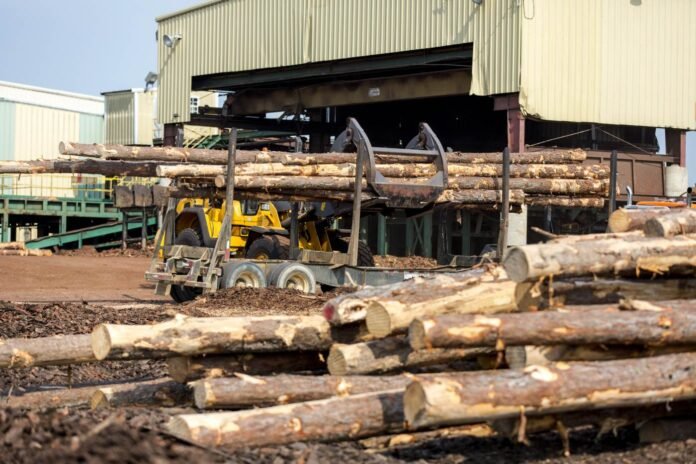
Rayonier Inc. and PotlatchDeltic Corp., two of the largest private timberland owners in the U.S., have announced a definitive agreement to merge in an all-stock transaction, creating a forestry powerhouse valued at over $7 billion.**
The deal, unveiled Tuesday, will consolidate more than 2.7 million acres of timberlands across the U.S. South and Pacific Northwest under a single entity. The combined company will operate under the Rayonier name and continue to trade on the New York Stock Exchange under the ticker “RYN.” Rayonier shareholders will own approximately 65% of the merged firm, while PotlatchDeltic shareholders will hold the remaining 35%.
This strategic merger is expected to deliver substantial long-term benefits, including increased scale, geographic diversity, and operational efficiencies. Both companies cited complementary timberland portfolios and enhanced opportunities for growth, particularly in the high-demand U.S. South region, which has seen rising lumber consumption and land values.
David Nunes, the current CEO of Rayonier, will lead the combined company, while PotlatchDeltic’s CEO Eric Cremers will serve as president and chief operating officer. The board of directors will include members from both companies.
The all-stock nature of the transaction reflects confidence in the long-term value of timberland assets and the resilience of the forest products industry. The merger also signals growing investor interest in sustainable, renewable resources, as timberlands play a critical role in carbon sequestration and long-term environmental stewardship.
Rayonier and PotlatchDeltic each bring decades of experience managing timberlands, producing lumber, and operating mills. The union will also strengthen their positions in real estate and wood products, making the new Rayonier a vertically integrated player across forestry, lumber production, and land development.
Pending customary closing conditions and regulatory approvals, the transaction is expected to be finalized in the first half of 2026.
This merger marks one of the largest consolidations in the U.S. forest products sector in recent years, reflecting broader trends of scale-driven growth and resource optimization in the natural assets space.

